

Top brake maintenance tips for older vehicles
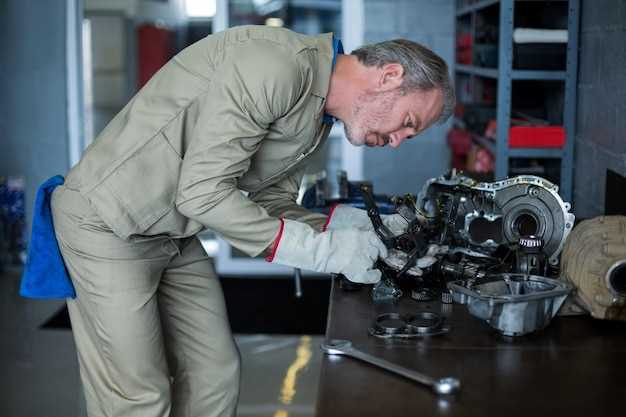
Maintaining the braking system of older cars is crucial for ensuring safety and performance on the road. As vehicles age, their components wear down, and the brakes are no exception. Regular maintenance not only extends the life of your car but also minimizes the risk of accidents due to brake failure.
For older vehicles, it is essential to be proactive about the maintenance of the braking system. This includes frequent inspections of brake pads, rotors, and fluid levels. Understanding the unique challenges associated with older models can help car owners make informed decisions regarding their brake upkeep.
In this article, we will explore practical tips and techniques for maintaining brakes in older cars. From recognizing signs of wear to knowing when it’s time for a professional inspection, we aim to provide valuable insights that can enhance the safety and reliability of your aging vehicle.
Inspecting Brake Components for Wear and Tear

Regular maintenance is crucial for ensuring the safety and performance of older cars, especially when it comes to the brake system. Inspecting brake components for wear and tear should be a priority for any vehicle owner. Key components to evaluate include brake pads, rotors, calipers, and brake lines.
Start with the brake pads, as they are the most commonly replaced part. Look for thin pads, which indicate they need replacement. A 1/4 inch of pad material is typically the minimum safe thickness. Listening for squeaking or grinding noises when braking is also a critical indicator of worn pads.
Next, inspect the rotors. Check for signs of scoring, warping, or rust. Warped rotors can cause vibrations during braking, making it imperative to address this issue promptly. Rotors should have a smooth surface; if they feel rough or uneven, it may be time to replace or resurface them.
Calipers are another vital component. Ensure they move freely and do not show signs of leaks. Brake fluid leaks can lead to reduced braking efficiency and should be addressed immediately. A visual inspection can help identify any corrosion or unusual wear that may necessitate replacement.
Finally, check the brake lines for any signs of wear or damage. Look for cracks, fraying, or corrosion, as these can lead to brake fluid leaks and compromised braking ability. Replacing damaged brake lines is essential for maintaining the integrity of the brake system.
By consistently inspecting these components, vehicle owners can prolong the lifespan of their cars and maintain optimal braking performance, ensuring safety on the road.
Adjusting Brake Systems for Optimal Performance
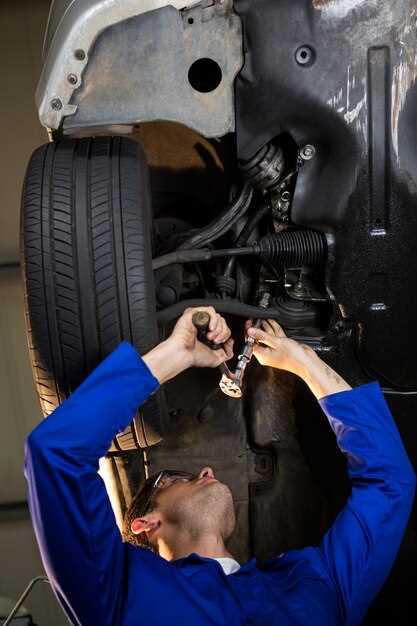
For older vehicles, regular brake maintenance is crucial to ensure safety and performance. One of the most effective ways to enhance the braking system is through proper adjustment. Over time, brake components may wear or shift, leading to decreased efficiency. Regular inspections should be conducted to check for any signs of wear, such as uneven pad wear or poor pedal feel.
Start by examining the brake fluid level and quality. Old fluid can absorb moisture, leading to corrosion and decreased braking performance. Flush the brake system if necessary and replace it with fresh brake fluid recommended for your vehicle.
Next, check the brake pads and shoes. Adjust the clearance between the pads and rotors to eliminate any dragging, which can cause excessive heat and premature wear. For drum brakes, ensure that the shoes are properly adjusted to maintain correct friction levels. This will help achieve optimal contact when the brakes are engaged.
The brake lines and hoses should also be inspected for any signs of cracking, leaks, or deterioration. Old or damaged lines can significantly impact braking performance. If any issues are detected, replace these components promptly to maintain system integrity.
Additionally, consider adjusting the brake booster, if equipped, to ensure that sufficient pressure is applied during braking. Regular maintenance checks and adjustments can prolong the life of your braking system, ensuring safe operation for your older vehicle.
Choosing the Right Brake Parts for Vintage Cars
When it comes to maintaining older vehicles, selecting the appropriate brake parts is crucial for ensuring safety and optimal performance. Vintage cars often require specialized components that may not be readily available in modern auto shops.
First, always refer to the manufacturer’s specifications for your particular model. Vintage cars can have unique brake systems that require specific pads, rotors, and hardware. This information can often be found in the owner’s manual or through classic car forums.
Next, consider the materials used in the brake components. For many older vehicles, original equipment manufacturer (OEM) parts are preferred to maintain the authenticity and reliability of the braking system. If OEM parts are unavailable, look for high-quality aftermarket replacements that replicate the original specifications.
Pay attention to the brake pad composition. Older cars may benefit from organic or semi-metallic pads that provide better performance while minimizing wear on vintage rotors. Additionally, make sure to check for the compatibility of the brake fluid used in older systems, as some may require specific types to prevent damage to seals and hoses.
Finally, when purchasing brake parts for classic cars, it’s essential to verify the reputation of the supplier. Reputable vendors specializing in vintage car maintenance will have the right components and knowledge to assist with finding the best options for your vehicle’s braking needs.