

Cooling system pressure test – what it reveals
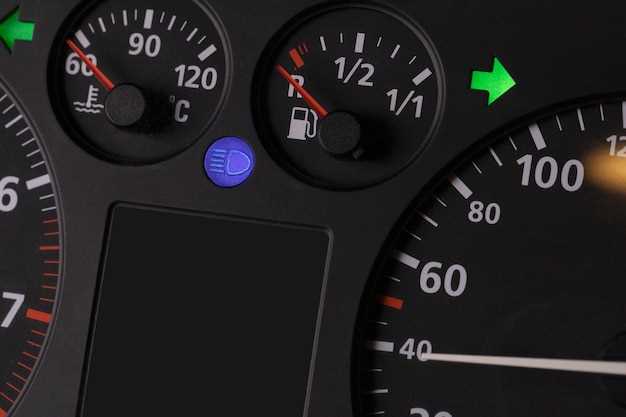
The cooling system is a critical component of any vehicle, playing a vital role in maintaining optimal engine temperatures. One of the essential elements of this system is the radiator, which dissipates heat from the engine coolant. To ensure that this system operates effectively, regular pressure testing is paramount. A pressure test can help identify leaks, check the integrity of the radiator, and assess the performance of the cap that seals the cooling system.
During a pressure test, the cooling system is subjected to controlled pressure that simulates its operational conditions. This process allows technicians to pinpoint weak spots that could lead to coolant loss and subsequent overheating. By measuring the resistance of the cooling system under pressure, potential issues can be detected early, preventing costly repairs and ensuring the longevity and reliability of the vehicle.
Understanding the significance of cooling system pressure tests is crucial for vehicle maintenance. Neglecting this essential check can result in severe engine damage, reduced efficiency, and a shorter lifespan for critical components. Therefore, regular inspections and tests of the radiator, cap, and overall system pressure should be a fundamental part of any vehicle care routine, ultimately leading to safer and more reliable transportation.
Understanding the Role of the Radiator Cap in Pressure Maintenance

The radiator cap is a critical component in a vehicle’s cooling system, playing a significant role in maintaining optimal pressure levels. Its primary function is to seal the cooling system, preventing coolant from escaping and ensuring that pressure is maintained during operation.
When the engine operates, the coolant absorbs heat and expands. The radiator cap is designed to hold this pressure, allowing the coolant to remain in a liquid state rather than turning into steam. This is crucial for effective heat transfer and helps prevent overheating.
- Pressure Regulation: The radiator cap has a pressure rating, typically between 13-16 psi. When the coolant pressure exceeds this limit, the cap opens, allowing excess pressure to escape into the overflow tank. This prevents damage to the cooling system.
- Boiling Point Elevation: By maintaining pressure, the boiling point of the coolant is increased. This means the cooling system can operate at higher temperatures without boiling over, improving overall efficiency.
- System Integrity: A well-functioning radiator cap prevents air from entering the cooling system. Air pockets can lead to hot spots and inefficient cooling, which could damage the engine over time.
Conducting a pressure test on the radiator cap is essential for ensuring its functionality. A faulty cap can lead to coolant loss, overheating, and potential engine damage. During a pressure test, the cap is subjected to pressure to determine if it holds the rated pressure without leaking. If it fails this test, replacement is necessary to maintain system integrity.
In conclusion, the radiator cap is more than just a cover; it is a vital component that helps regulate pressure, elevate the coolant’s boiling point, and maintain the overall integrity of the cooling system. Regular inspections and tests of the radiator cap are essential for the longevity and performance of any vehicle.
Steps for Conducting a Comprehensive Cooling System Pressure Test
Conducting a thorough cooling system pressure test is essential for identifying leaks and ensuring the integrity of components like the radiator. Follow these structured steps to carry out an effective test.
1. Gather Necessary Equipment: Before beginning, collect the required gear, including a pressure testing kit, safety goggles, gloves, and a coolant collection container. Ensure the engine is cool to avoid burns.
2. Inspect the Cooling System: Visually examine the entire cooling system, including the radiator, hoses, and connections for any signs of wear or damage. Look for cracks, swelling, or corrosion that might indicate potential issues.
3. Remove Radiator Cap: Carefully remove the radiator cap to release any built-up pressure. This should be done only when the engine is cold to prevent injury.
4. Attach Pressure Tester: Connect the pressure tester to the radiator neck or overflow tank. Make sure it fits securely to prevent any leaks during the test.
5. Pressurize the System: Pump the pressure tester to the manufacturer’s specified pressure, usually between 10-15 psi. Monitor the gauge closely to ensure it maintains the desired pressure level.
6. Check for Leaks: While the system is under pressure, inspect all components for coolant leaks. Pay special attention to the radiator, hoses, and joints. If the pressure drops, a leak may be present.
7. Release Pressure Gradually: After completing the inspection, slowly release the pressure from the tester to avoid damaging any components. Reinstall the radiator cap securely once done.
8. Document Findings: Record all observations, including any leaks detected. If necessary, plan for repairs or replacements based on the results of the pressure test.
9. Conduct Post-Test Review: After repairs, if any were made, consider repeating the pressure test to ensure the cooling system is fully functional and leak-free.
This systematic approach to testing the cooling system will significantly aid in maintaining the performance and longevity of your vehicle’s engine.
Interpreting Pressure Test Results: Identifying Potential System Failures
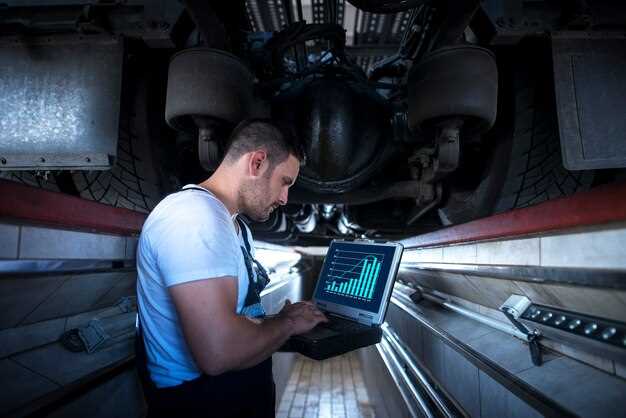
Conducting a pressure test on a cooling system is a crucial step in diagnosing potential failures. The test results provide valuable insight into the integrity of various components, such as hoses, connections, and the radiator cap. Understanding these results helps in establishing the condition of the entire cooling system.
When analyzing the results, a fundamental aspect is to pay attention to the pressure readings. A significant drop in pressure indicates possible leaks or weaknesses within the system. Common failure points include cracked hoses, faulty seals, or compromised joints that can lead to coolant loss. A pressure gauge that shows a persistent low reading may point toward these issues.
Conversely, if the pressure remains higher than expected, it may suggest blockages or restrictions in the system. Such conditions can lead to overheating and potential engine damage if not addressed promptly. It’s essential to verify that the pressure cap is functioning correctly, as a malfunctioning cap can mislead pressure readings and complicate diagnosis.
Furthermore, the duration of pressure retention is equally important. A test that shows a gradual decline in pressure over time should raise red flags. This behavior may signal slow leaks, which can be more challenging to locate, often requiring a thorough inspection of all components. Utilizing dyes or other detection methods can assist in pinpointing these elusive leaks.
In conclusion, interpreting pressure test results accurately is vital in identifying potential system failures. By carefully analyzing pressure readings, observing the condition of the pressure cap, and monitoring pressure retention, one can effectively diagnose underlining problems, ensuring the longevity and reliability of the cooling system.