

How to diagnose a dead car battery
A car battery is an essential component that powers your vehicle’s electrical systems, ensuring everything from starting the engine to operating lights and infotainment systems. When your car fails to start, the culprit often lies in a dead battery. This situation can be frustrating, but understanding how to diagnose the problem can save you time and money.
In this guide, we will walk you through a systematic approach to diagnosing a dead car battery. From recognizing the signs of a failing battery to performing basic tests, you will learn step-by-step methods to determine whether your battery is indeed dead or if there are other issues at play. Being informed about your car’s battery not only empowers you to troubleshoot effectively but also helps prevent future incidents.
Whether you are a seasoned automotive enthusiast or a casual driver, knowing how to diagnose a dead battery is a valuable skill. You can approach these issues with confidence by following our instructions and taking the right preventative measures. Let’s delve into the specifics of battery diagnosis and get your vehicle back on the road.
Identifying Symptoms of a Dead Battery
Recognizing the signs of a dead battery is crucial in troubleshooting potential vehicle issues. One of the most common symptoms is a complete lack of response when turning the ignition key. If you hear only a clicking noise, it often indicates that the battery is too weak to start the engine.
Another key symptom is dim or flickering headlights. If the lights do not brighten as you rev the engine, this may point to a failing battery. Additionally, dashboard warning lights may illuminate, particularly the battery light, which indicates that the charging system isn’t functioning properly.
Consider also the age of the battery. Most batteries have a lifespan of around three to five years. If your battery is nearing this age and you experience starting issues, it is likely dead or close to failure.
Another sign is if you notice corrosion on the battery terminals, which can inhibit the battery’s ability to deliver power. If you encounter any of these symptoms, it is important to act promptly and either jump-start the vehicle or replace the battery to avoid further complications.
Testing Battery Voltage with a Multimeter
To effectively diagnose a dead car battery, testing its voltage with a multimeter is a crucial step in troubleshooting. A multimeter can provide precise readings, helping you determine whether the battery is functioning correctly or requires replacement.
Begin by ensuring the multimeter is set to the DC voltage setting, usually indicated by a “V” followed by a straight line and dots. This setting allows you to measure the battery’s voltage accurately.
Next, locate the battery in your vehicle, ensuring the engine is off and the keys are removed from the ignition. Identify the positive and negative terminals on the battery, typically marked by “+” and “-” symbols, respectively.
Attach the multimeter’s red lead to the positive terminal and the black lead to the negative terminal. This connection is essential for getting an accurate voltage reading. Once the leads are securely connected, read the display on the multimeter.
A fully charged car battery should show a voltage of around 12.6 volts or higher. If the reading is between 12.4 volts and 12.6 volts, the battery is somewhat charged, but may need to be tested further under load conditions. A reading below 12.4 volts indicates a need for charging, while a reading below 12.0 volts suggests the battery is likely dead.
In situations where the voltage is low, consider charging the battery and retesting it after a few hours. Consistently low readings may indicate a faulty battery that requires replacement. By using these steps, you can effectively troubleshoot battery issues and determine the necessary actions for your car’s power system.
Jump-Starting or Replacing the Battery
When faced with a dead car battery, you have two primary options: jump-starting or replacing the battery. Understanding the differences and processes involved can help you make an informed decision.
Jump-Starting the Battery
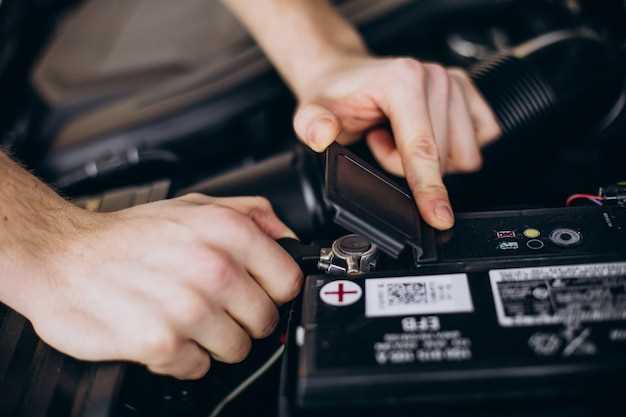
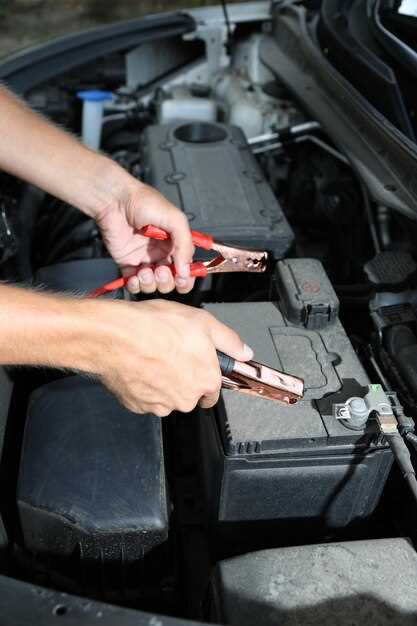
Jump-starting a dead battery is a temporary solution that can get your vehicle running again. Here are the steps to follow:
- Gather the necessary equipment: a pair of jumper cables and a working vehicle with a charged battery.
- Position the working vehicle close to your car, ensuring that both batteries are accessible.
- Turn off both vehicles and ensure all electrical components are off.
- Connect the jumper cables:
- Red clamp to the positive terminal of the dead battery.
- Red clamp to the positive terminal of the charged battery.
- Black clamp to the negative terminal of the charged battery.
- Black clamp to an unpainted metal surface on the dead vehicle (ground).
- Start the working vehicle and let it run for a few minutes.
- Attempt to start your car. If it does not start, wait another minute before trying again.
- Once your vehicle is running, carefully remove the jumper cables in the reverse order of connection.
Replacing the Battery
If your battery is old or has been jump-started multiple times without holding a charge, it may be time to replace it. Follow these steps for a proper battery replacement:
- Ensure you have the correct replacement battery for your vehicle make and model.
- Gather necessary tools: a socket wrench, gloves, and safety glasses.
- Turn off the ignition and remove the key to ensure safety.
- Open the hood and locate the battery. Disconnect the negative cable first (black), followed by the positive cable (red).
- Remove any brackets or clamps holding the dead battery in place.
- Carefully lift out the dead battery, avoiding any spills or accidents.
- Place the new battery into the battery tray and secure it with brackets or clamps.
- Reconnect the positive cable first, then the negative cable. Ensure connections are tight.
- Close the hood and start your vehicle to ensure the new battery is functioning properly.
Deciding between jump-starting or replacing the battery depends on your specific situation. Always keep safety in mind and consult a professional if unsure.