

Run-flat tires – pros and cons
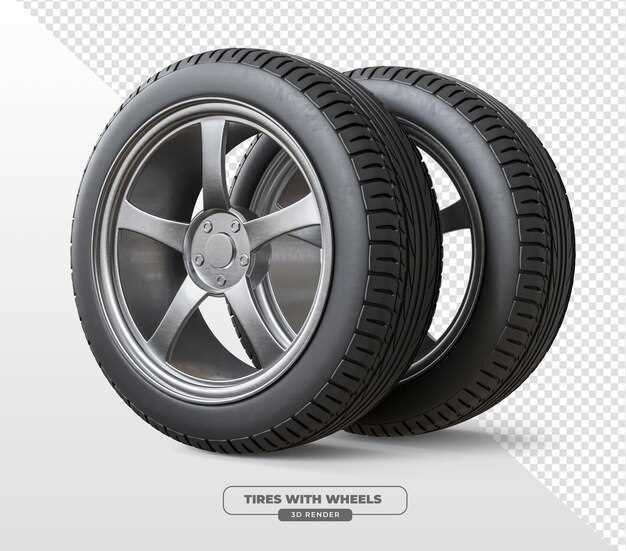
In the world of automotive technology, run-flat tires have emerged as a significant advancement, promising drivers greater safety and convenience. Designed to allow the vehicle to continue moving even after a puncture, run-flat tires have rapidly gained popularity among car manufacturers and consumers alike. However, while the benefits of these tires are noteworthy, there are also some disadvantages that deserve careful consideration.
One of the primary advantages of run-flat tires is their ability to maintain mobility in the event of a tire failure. This feature can provide a sense of security for drivers, reducing the likelihood of being stranded on the roadside. Additionally, run-flat tires often eliminate the need for a spare tire, which can free up valuable space in the trunk and lower the vehicle’s overall weight.
Despite these benefits, run-flat tires are not without their drawbacks. Many drivers report a firmer ride and increased road noise compared to traditional tires, which may detract from overall driving comfort. Furthermore, the cost of run-flat tires can be significantly higher, and their availability may be limited depending on the vehicle model. Understanding these advantages and disadvantages is crucial for consumers considering a switch to run-flat tire technology.
Run-flat Tires: Advantages and Disadvantages Explained
Run-flat tires are designed to provide a temporary solution for maintaining mobility even after a puncture or loss of air pressure. This innovative technology offers several benefits and drawbacks that are important for drivers to consider.
Advantages of Run-flat Tires:
One of the primary advantages of run-flat tires is the enhanced safety they provide. In the event of a puncture, these tires can typically continue to operate for a limited distance–usually up to 50 miles–at reduced speeds. This allows drivers to reach a safe location or service station without having to change a tire on the roadside.
Another significant benefit is convenience. With run-flat tires, drivers can forgo a spare tire in their vehicle, creating additional space and reducing weight. This is particularly advantageous for smaller cars where trunk space is limited. Moreover, the absence of a spare tire means less maintenance and fewer concerns about the condition of an unused tire.
Run-flat tires also offer improved handling and stability. Their reinforced sidewalls help maintain the tire’s shape even when deflated, enhancing performance and control in emergencies.
Disadvantages of Run-flat Tires:
Despite their advantages, run-flat tires come with notable downsides. One major concern is the ride quality. Many drivers report that run-flat tires can feel stiffer and less comfortable compared to traditional tires, leading to a more jarring experience, particularly on rough roads.
Additionally, run-flat tires can be more expensive than standard tires. The technology and materials used in their construction contribute to higher manufacturing costs, which can impact the overall price for consumers.
Another disadvantage is limited repairability. In many cases, if a run-flat tire has been driven while deflated, it cannot be repaired and must be replaced. This can lead to increased expenses over time, especially if punctures occur frequently.
Finally, the availability of run-flat tires can be limited compared to conventional options. Not all tire shops carry a wide range of run-flat tires, making it more challenging for drivers to find replacements when needed.
In conclusion, while run-flat tires offer unique advantages such as enhanced safety and convenience, they also possess disadvantages that may not suit every driver’s needs. It’s essential to weigh these factors carefully when considering whether run-flat tires are the right choice for your vehicle.
Understanding the Safety Features of Run-flat Tires

Run-flat tires are designed to maintain functionality even when punctured, providing significant safety advantages. These tires allow drivers to continue traveling, typically at reduced speeds, without the immediate need for a tire change. Below are key safety features associated with run-flat tires:
- Puncture Resistance: Run-flat tires are constructed with reinforced sidewalls, which support the weight of the vehicle even when air pressure is lost. This helps prevent complete tire collapse.
- Extended Mobility: In the event of a puncture, run-flat tires enable drivers to cover a distance of up to 50 miles at speeds of up to 50 mph. This gives drivers the opportunity to reach a safe location for repair.
- Reduced Risk of Accidents: By eliminating the need to stop on the roadside for a tire change, run-flat tires minimize exposure to potential traffic hazards. Drivers can find a safe place to address tire issues, contributing to overall road safety.
- Improved Handling: Many run-flat tires are designed with advanced technology, which can enhance vehicle handling and stability, particularly in emergency situations.
While run-flat tires offer these safety benefits, it is essential to understand the limitations and consider them when making choices about tire types.
- Higher Replacement Costs: Run-flat tires can be more expensive than traditional tires, impacting financial considerations.
- Limited Repair Options: Damage to run-flat tires often necessitates complete replacement due to the specialized construction, limiting repair possibilities.
- Stiff Ride Quality: The construction of run-flat tires may lead to a firmer ride, which some drivers might find less comfortable.
In summary, while run-flat tires present notable safety features, it is important for drivers to understand both the advantages and disadvantages to make informed decisions about their vehicle’s tire needs.
Impact of Run-flat Tires on Vehicle Handling and Performance
Run-flat tires are designed to maintain functionality even after a puncture, which significantly influences vehicle handling and performance. The construction of these tires includes reinforced sidewalls, allowing them to support the vehicle’s weight temporarily without air pressure. This feature enhances safety by enabling drivers to continue their journey for a limited distance, typically up to 50 miles at reduced speeds, without needing an immediate tire change.
One of the primary impacts on vehicle handling is the overall stiffness of run-flat tires. The enhanced sidewall rigidity may lead to improved responsiveness during cornering. However, this increased stiffness can also result in a harsher ride quality, as the tires transmit more road imperfections to the vehicle’s suspension. This trade-off between handling and comfort needs to be considered, especially for those prioritizing a smooth driving experience.
Performance is another significant aspect affected by run-flat technology. While the ability to drive on deflated tires may provide peace of mind and enhance safety, it can hinder overall performance in specific conditions. For instance, run-flat tires often have a heavier construction compared to traditional tires, which can impact acceleration and fuel efficiency. Additionally, the tire’s contact patch may be less optimal under deflated conditions, potentially compromising traction and stability.
In summary, while run-flat tires offer notable safety benefits and can enhance handling in certain scenarios, drivers should be aware of the potential compromises in ride comfort and overall vehicle performance. Understanding these dynamics is crucial for making informed decisions about tire choices based on individual driving needs and preferences.
Cost Comparison: Run-flat Tires vs. Traditional Tires

When considering the purchase of tires, understanding the cost implications of run-flat tires compared to traditional alternatives is essential. Run-flat tires often come with a higher initial price tag than conventional tires. This premium is justifiable due to the advanced technology involved in their design, enabling drivers to continue their journey even after a puncture.
On average, run-flat tires can cost anywhere from 20% to 50% more than traditional tires. However, this upfront investment might be offset by potential savings in emergency roadside assistance and tire replacement services, which are often necessary with conventional tires if they fail. Additionally, the longevity of run-flat tires may vary; while some can last longer due to their robust structure, others might wear out faster depending on driving conditions.
Another financial consideration is the replacement process. Traditional tires can be replaced individually if one damages, whereas run-flat tires often require purchasing a full set to maintain performance. This can increase long-term costs if you are initially drawn to the convenience of run-flat technology but later find it necessary to switch back to traditional tires due to cost or availability reasons.
In summary, while run-flat tires provide valuable benefits in terms of safety and convenience, the cost difference from traditional tires can be significant. It’s crucial to evaluate both the immediate financial impact and the long-term costs when choosing between these two options.