

The role of spark plugs in engine performance
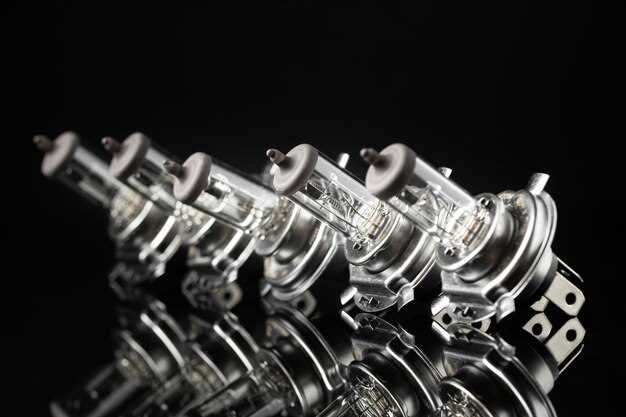
When it comes to maximizing engine performance, spark plugs play a pivotal role in igniting the air-fuel mixture within the combustion chamber. These seemingly small components are critical for ensuring that the engine operates efficiently and delivers the power that drivers expect. A well-functioning spark plug can significantly enhance engine power output, fuel efficiency, and overall performance.
Spark plugs are designed to create a strong electrical spark that ignites the compressed air-fuel mixture in the cylinders. This ignition is essential for generating the energy required to propel the vehicle forward. Any degradation in the condition of the spark plugs, such as wear or carbon buildup, can lead to misfires, reduced power, and increased emissions. Consequently, the health of your spark plugs has a direct impact on the engine’s ability to deliver its full power potential.
Regular maintenance and timely replacement of spark plugs can prevent these issues and maintain optimal performance. By ensuring that spark plugs are in top condition, drivers can experience not only enhanced acceleration and response but also better fuel economy. Therefore, understanding the importance of spark plugs in engine performance is crucial for any vehicle owner striving for the best driving experience.
How Spark Plug Design Influences Engine Power Output

The design of spark plugs plays a crucial role in determining the overall power output of an engine. A spark plug’s geometry, materials, and heat range can significantly affect how effectively the combustion process occurs within the engine cylinders.
One important aspect of spark plug design is the electrode configuration. Different designs, such as single or multiple ground electrodes, can influence the energy required to ignite the air-fuel mixture. A more efficient spark plug design promotes better ignition, leading to a more complete combustion. This enhancement not only maximizes power but also contributes to improved fuel efficiency.
Furthermore, the ceramic insulator surrounding the electrode must withstand high levels of heat and pressure. A well-designed insulator minimizes heat dissipation and allows the spark plug to operate at the optimal temperature. If the spark plug runs too hot or too cold, it can affect ignition timing and combustion quality, ultimately impacting engine power output.
The choice of materials used in spark plugs also matters. Platinum and iridium spark plugs are often preferred for high-performance engines due to their durability and ability to maintain a consistent spark under extreme conditions. These materials can enhance the longevity of the spark plug while ensuring a stable power output, even in demanding driving situations.
Moreover, the gap between the electrodes is a critical factor. An optimal gap size ensures that the spark generated is strong enough to ignite the mixture quickly and efficiently, promoting smooth and powerful engine performance. Adjusting the gap according to specific engine requirements can lead to significant improvements in power delivery.
In summary, the design of spark plugs directly influences engine power output through various factors such as electrode configuration, materials used, insulator properties, and gap settings. Understanding these elements allows for the selection of the most suitable spark plug, ultimately enhancing engine performance and efficiency.
The Role of Spark Plug Material in Combustion Efficiency
The material of spark plugs plays a crucial role in the overall combustion efficiency of an engine. Different materials influence the power output and energy conversion within the combustion chamber. The most common materials used in spark plugs include copper, nickel, platinum, and iridium, each with distinct properties that affect performance.
Copper spark plugs, while offering excellent conductivity, tend to wear out quickly in high-performance engines. This rapid degradation can lead to inconsistent sparking and reduced combustion efficiency. On the other hand, nickel alloy plugs provide a balance of durability and cost-effectiveness, making them suitable for standard engines but not optimal for high-performance applications.
Platinum spark plugs are known for their longevity and ability to withstand higher temperatures. They maintain a stable spark, improving ignition reliability, which directly enhances combustion efficiency and power output. Furthermore, iridium spark plugs, being even more durable and resistant to wear, provide the best performance in terms of consistent spark generation, resulting in optimal combustion processes.
The choice of spark plug material affects not just the lifespan of the plug but also the fuel economy and overall engine performance. High-quality materials contribute to better combustion efficiency, leading to a more powerful engine and lower emissions, which is increasingly important in today’s environmentally conscious world.
Signs of Worn Spark Plugs and Their Effect on Performance

Worn spark plugs can significantly affect engine performance by diminishing power output and affecting fuel efficiency. One of the primary signs of worn spark plugs is difficulty starting the engine. If the engine struggles to turn over or requires multiple attempts, this may indicate that the spark plugs are failing to ignite the air-fuel mixture effectively.
Another indicator is a noticeable decrease in acceleration. When spark plugs wear down, the engine may misfire, leading to sluggish performance. This misfiring occurs because the spark plugs are unable to provide a consistent spark necessary for optimal combustion, which directly impacts engine power.
Additionally, if your engine experiences rough idling, it could be a signal that the spark plugs are worn out. A smooth idle is crucial for engine efficiency, and worn spark plugs can disrupt this, causing vibrations and an uneven performance. Another common symptom is the presence of decreased fuel economy. As spark plugs lose their effectiveness, the engine compensates by consuming more fuel to maintain the desired power output, resulting in reduced efficiency.
Lastly, dark or sooty deposits on the spark plugs indicate excessive carbon build-up, often from incomplete combustion. This can compromise engine power and lead to more severe engine issues over time. Regular inspection and timely replacement of spark plugs are essential for maintaining optimal engine performance and ensuring reliable power delivery.